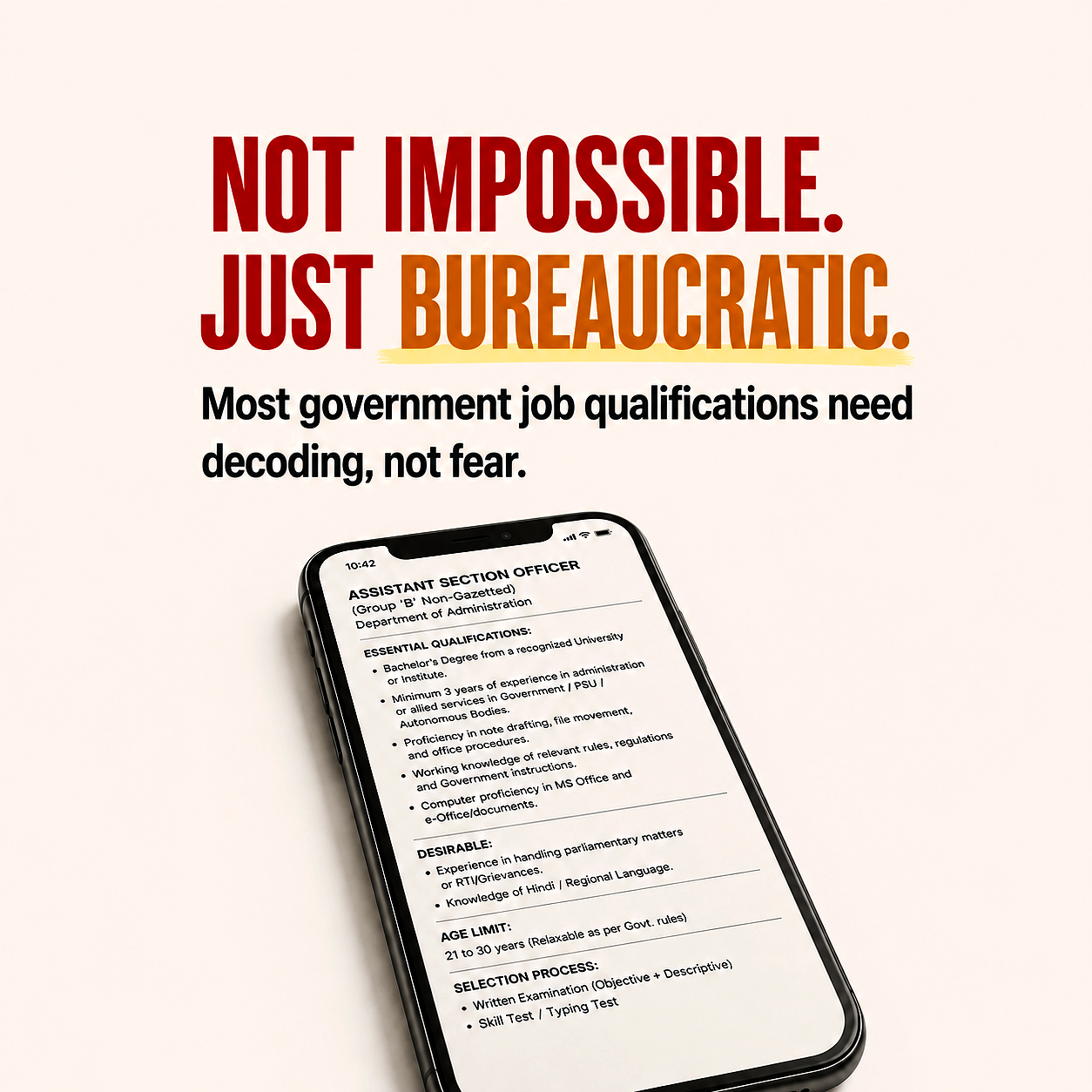
For a long time, “entry-level jobs” in Canada meant something specific.
Early career. Trainable. Some margin for learning on the job.
That meaning has quietly changed.
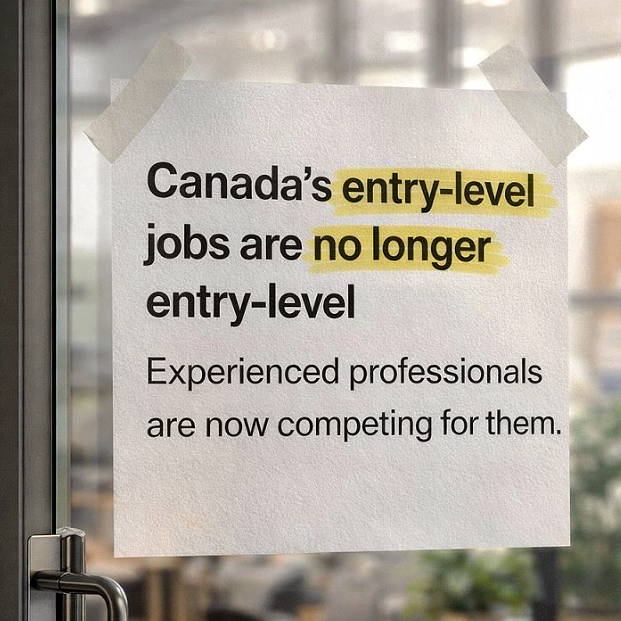
Today, many entry-level jobs in Canada are attracting candidates with years of experience, advanced education, and real operating history. Not because those people want junior roles, but because the labour market has pushed them there.
This shift is affecting how job seekers experience the hiring process across both the private sector and the public sector.
What Changed in the Canadian Job Market
When mid-level and senior roles slow down, people do not disappear.
They move down.
Experienced professionals who would normally compete for mid-career or senior positions begin applying to entry-level roles simply to stay employed or re-enter the workforce.
This creates a cascading effect across the job market:
- Mid-level candidates apply to entry-level jobs
- Entry-level candidates face increased competition
- Hiring managers receive stronger applicant pools for junior roles
The result is not necessarily higher standards.
It is higher competition density.
From the outside, it looks like employers are raising requirements for entry-level jobs.
In reality, the applicant pool itself has shifted upward.
Why Entry-Level Job Seekers Are Struggling More
This change explains why many job seekers in Canada feel stuck, even when they are doing everything “right.”
You may be:
- Applying consistently
- Tailoring your resume
- Meeting the listed qualifications
And still not getting shortlisted.
The issue is not always your resume or your qualifications.
It is the competition.
You are no longer being compared only to peers at your level.
You are being compared to:
- Professionals with several years of experience
- Candidates who have already worked in similar roles
- Individuals who understand how hiring systems filter applications
This changes the entire dynamic of the job search process.
Why Traditional Job Search Advice Feels Ineffective
A lot of common advice still assumes an older version of the job market.
“Apply more.”
“Customize your resume.”
“Keep trying.”
Those actions still matter, but they do not address the core issue:
The competition pool has changed.
If you apply more into the same crowded system, you are simply increasing your exposure to stronger competition.
That is why many job seekers feel like they are working harder but getting fewer results.
The Key Difference: Private Sector vs Public Sector Hiring
Here is the part most people miss.
Not all hiring systems absorb market pressure in the same way.
Private Sector Hiring
In the private sector and large organizations:
- Hiring is often less structured
- Recruiters and hiring managers rely on quick screening
- Stronger candidates naturally rise to the top of the pile
This means experienced professionals moving downward can dominate entry-level competition.
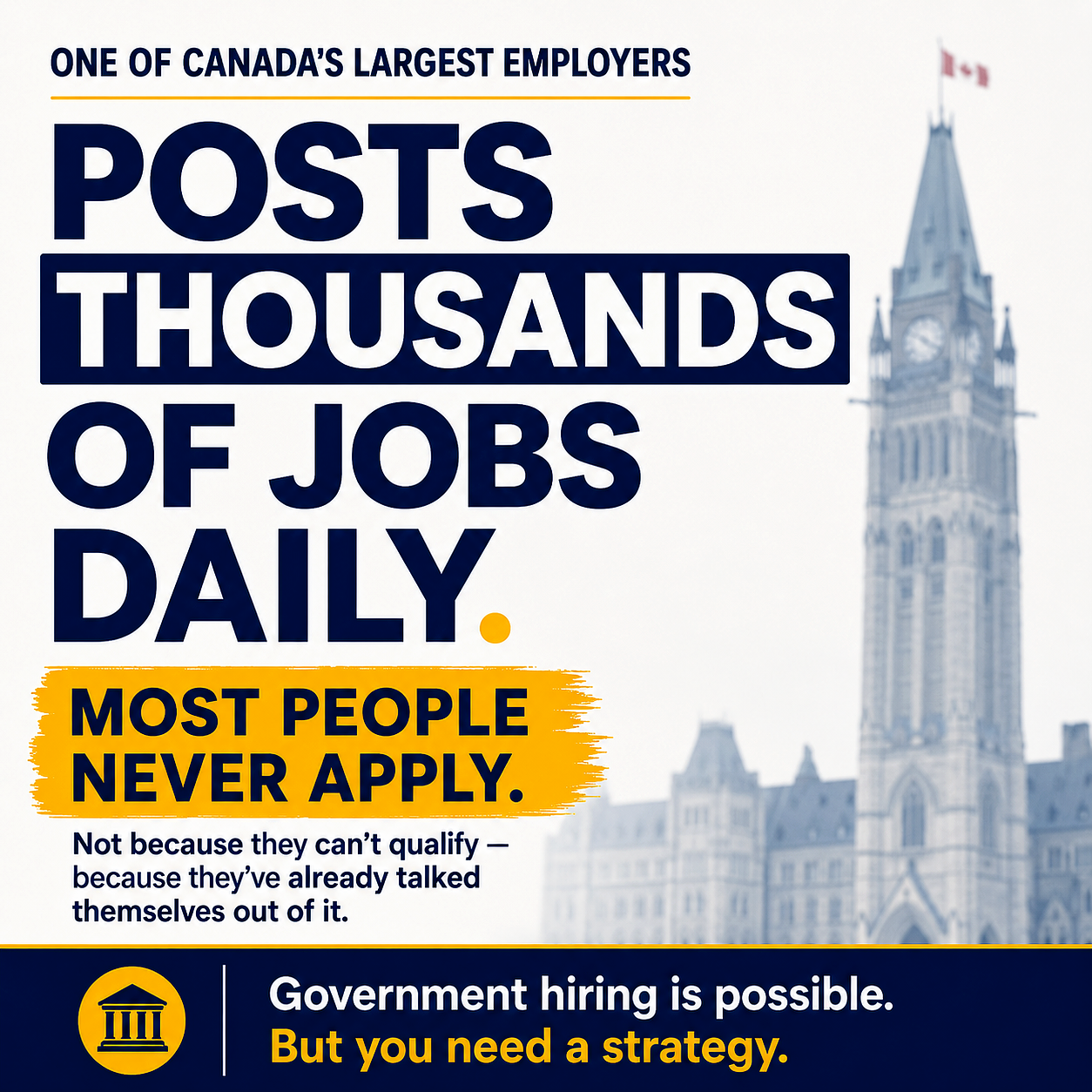
Canadian Public Sector Hiring
In the Canadian public sector (federal, provincial, municipal):
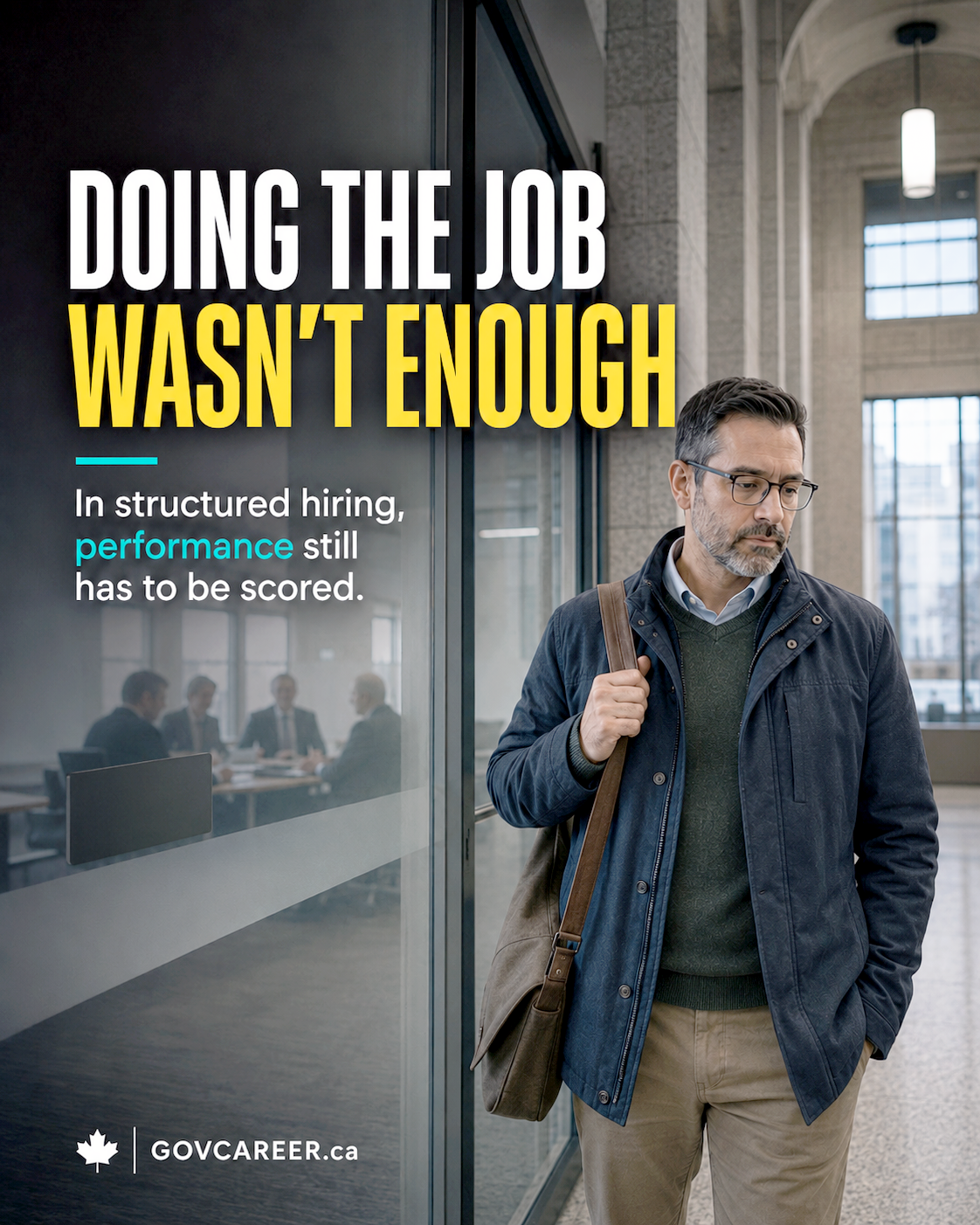
- Hiring is structured and merit-based
- Screening is based on predefined criteria
- Applications are assessed against specific qualifications
This creates a different dynamic.
Entry-level roles are still evaluated based on whether you meet the criteria, not simply on who else applied.
In other words:
The system is designed to filter by alignment, not by relative strength within a crowded pool.
That distinction matters.
What This Means for Your Job Search Strategy
If you are targeting entry-level jobs in Canada today, you need to adjust your approach.
You are not just competing on potential anymore.
You are competing on clarity and positioning.
That means:
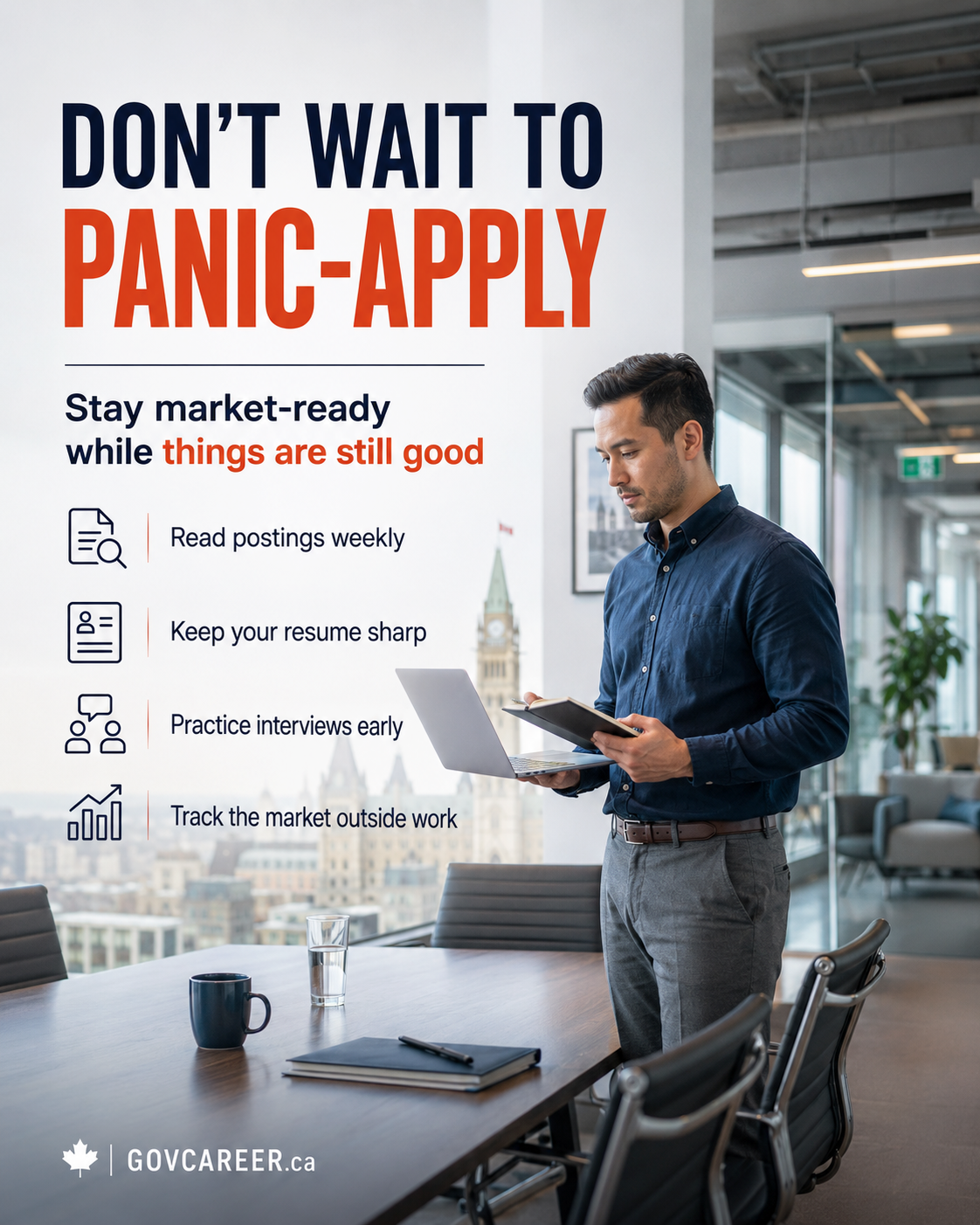
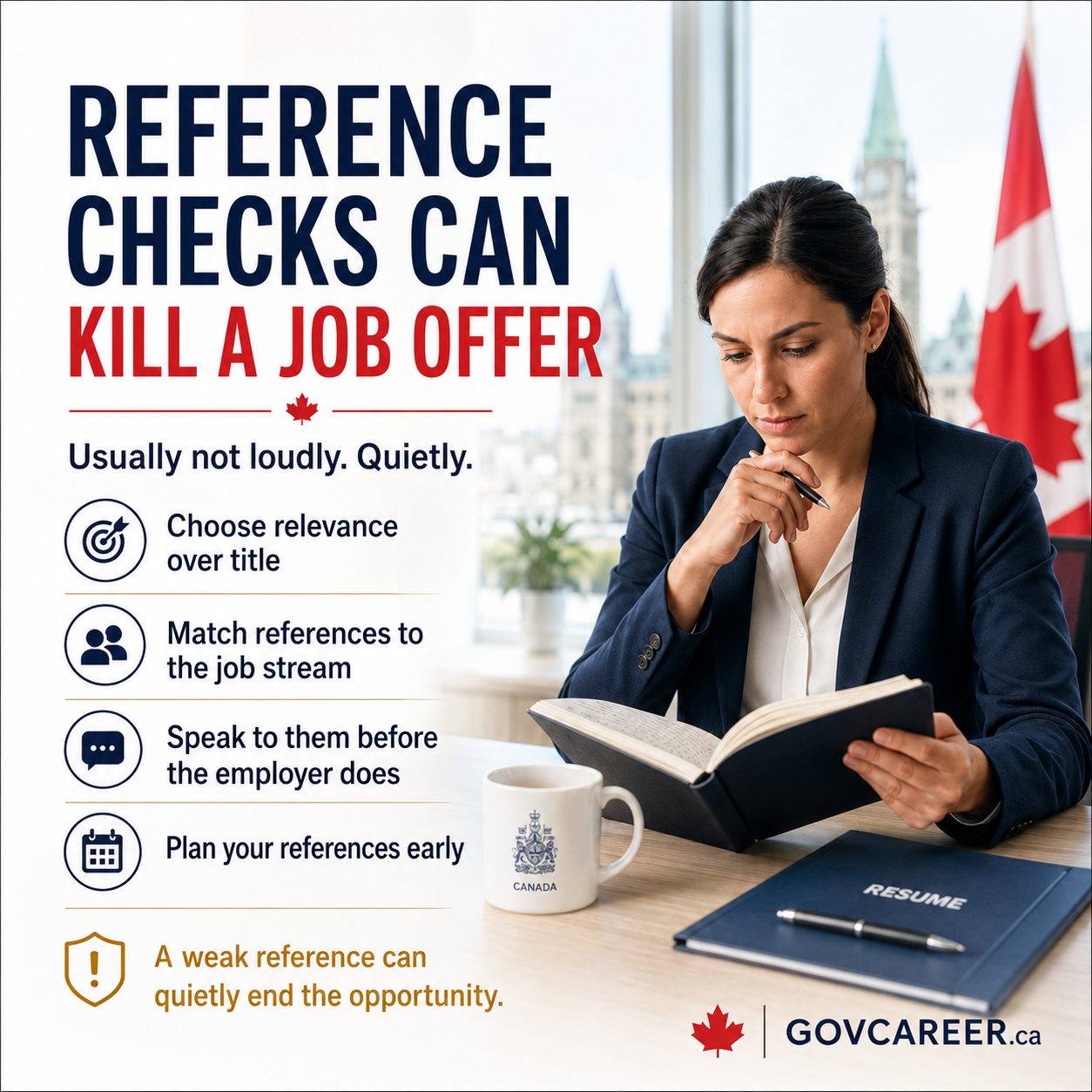
- Understanding how different hiring systems work
- Aligning your resume to specific screening criteria
- Positioning your experience clearly against job requirements
- Being selective about where and how you apply
In structured environments like government hiring, precision matters more than volume.
In less structured environments, visibility and differentiation matter more.
Final Thought
The definition of “entry-level” has changed.
Not officially, but in practice.
The market is more crowded, not necessarily more demanding.
Once you understand that distinction, your strategy can change accordingly.
And that is often the difference between staying stuck and moving forward.
Understand How Government Hiring Actually Works
If you are applying and not getting shortlisted, the issue is often not your experience.
It is how your experience is presented against structured screening criteria.
I provide independent, fee-based guidance on:
- How government hiring processes work
- How to align your resume with screening requirements
- How to prepare for structured interviews
If you want to understand where your applications are missing the mark, reach out.
Email: info@govcareer.ca
If you want to understand how Canadian public sector hiring actually works — and how to position your experience effectively — reach out.
Regards,
Val